What is Melo?
What Is Melorheostosis?
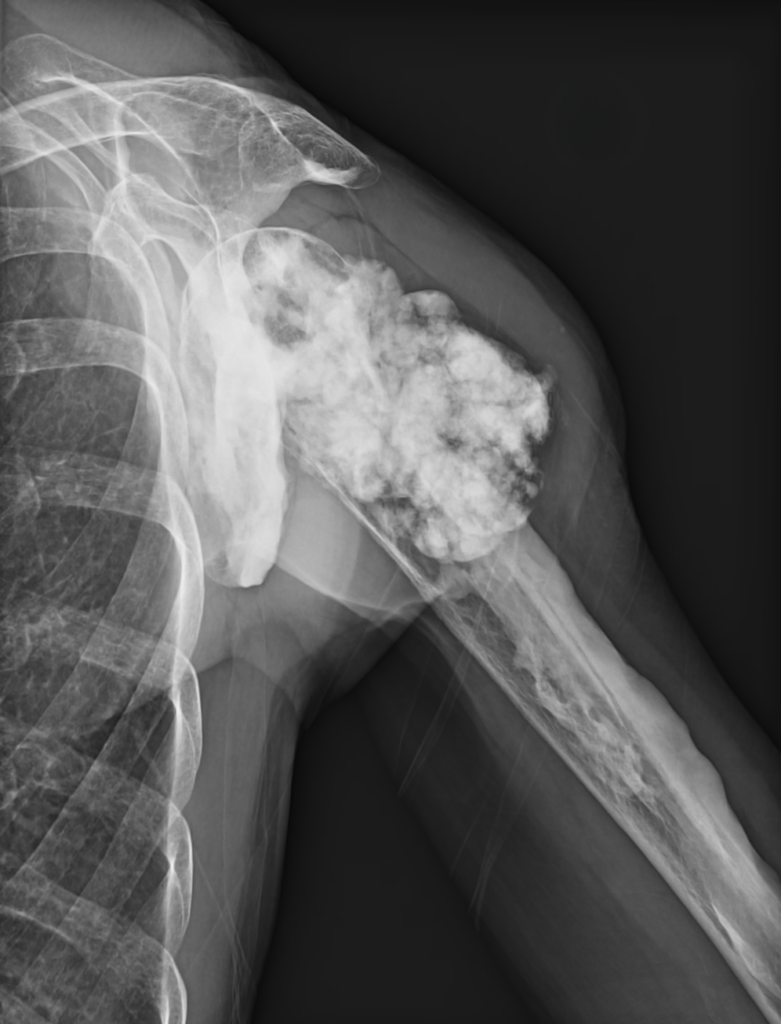
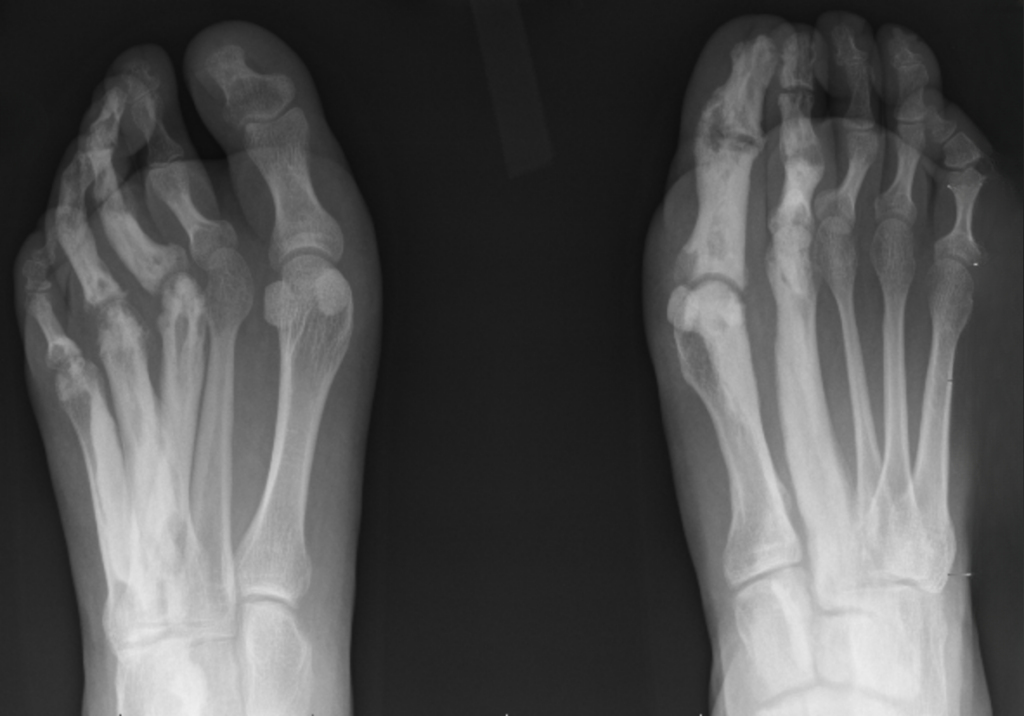
Melorheostosis (meh-lo-ree-ohs-to-sis) is a rare and progressive bone disorder characterized by hyperostosis (thickening) of the cortical bone. It affects both bone and soft tissue growth and development. Melorheostosis can result in functional limitation, soft tissue contractures, limb length discrepancy, pain, skin changes, and limb, hand, and/or foot deformity. The age of diagnosis is typically based on the severity of onset and symptoms. On x-rays, the appearance of melorheostosis has been likened to flowing, dripping candle wax.
Key facts about melorheostosis:
- It is not malignant, meaning it is not cancerous
- It is not hereditary; you do not inherit it from your parents, and you will not pass it to your children
- It is most often diagnosed by x-ray; it can also be seen on MRIs and bone scans
- There are no known ethnic, racial, or gender patterns
- The incidence of melorheostosis has been estimated as “1 in a million”
- Four genes have been identified as causative of melorheostosis: MAP2K1, SMAD3, KRAS, and some germline mutations of LEMD3
Note: Diseases associated with melorheostosis include osteopoikilosis, osteopathia striata, scleroderma, and Buschke-Ollendorff syndrome.