
Caring for Melo Patients
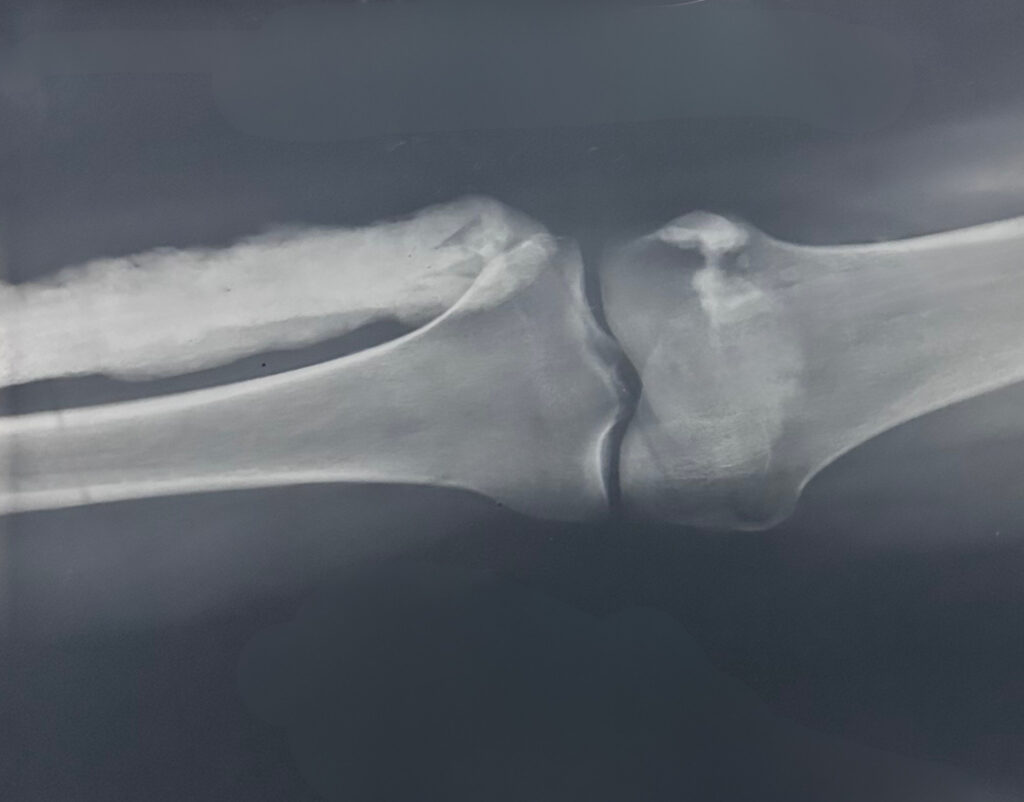
Melorheostosis: Clinical Overview and Management Considerations for Healthcare Professionals
Melorheostosis is a rare, non-hereditary sclerosing bone dysplasia characterized by cortical hyperostosis. Given its rarity and variable presentations and complications, clinicians play a critical role in early recognition, appropriate management, and coordination of often multidisciplinary care. This page provides a concise overview to support providers caring for those with melorheostosis.
Disease Overview
Melorheostosis is estimated to affect approximately 1 per million people and typically presents sporadically. It is now known to be caused by somatic mutation—most commonly in the MAP2K1, SMAD3, KRAS, and LEMD3 genes—leading to focal abnormal bone formation and remodeling.
Key Clinical Features:
- Flowing hyperostosis along cortical bone (“dripping candle wax” appearance on imaging)
- Segmental distribution, often following a sclerotomal pattern
- Predominant involvement of long bones, though axial skeleton and soft tissues may be affected
Common Presenting Symptoms:
- Chronic, often progressive pain
- Joint stiffness and contractures
- Limb deformity or length discrepancy
- Overlying skin changes (e.g., hyperpigmentation, vascular anomalies)
Clinical onset typically occurs in childhood but more rarely in adulthood, with progression varying.
Diagnosis and Evaluation
Imaging
- X-ray: Often described as “candle wax” cortical hyperostosis
- CT scan: Precise delineation of cortical thickening and extent
- MRI: Useful for evaluating soft tissue involvement, fibrosis, neurovascular compression, etc.
Differential Diagnosis Can Include:
- Osteopoikilosis
- Osteopathia striata
- Myositis ossificans
- Parosteal osteosarcoma
Genetic Considerations
Gene mutation analysis can be useful in diagnosis. Somatic mutation testing (e.g., MAP2K1) would require affected tissue testing.
Treatment and Management
There is no cure. Currently, treatment is individualized and aims for symptom and complication control. Revelation of the underlying genetic defect offers consideration for targeted medical treatment.
Pharmacologic Management:
- Pain management consultation
- NSAIDs, or stronger pain medication, have helped in some cases
Rehabilitation:
- Physical therapy may be helpful to preserve the range of motion
- Occupational therapy may support functional adaptation
Surgical Intervention:
- Considered selectively for severe deformity, functional impairment, or nerve compression
- High recurrence rates and variable outcomes necessitate careful patient selection, with advisement
Best Practices Considered for Clinical Care
1. Multidisciplinary Approach
Optimal care can involve orthopedics, rheumatology, pain management, physical therapy, and, when needed, dermatology or neurology. Focus on pain, mobility, and quality of life.
2. Imaging Progression
Radiological findings may not correlate closely with symptom severity.
3. Individualize Treatment Plans
Melorheostosis expression is highly variable; tailor interventions to symptom and complication burden, mindful of patient goals.
4. Address Chronic Pain Proactively
Pain is often the most debilitating symptom. Early and ongoing management—including non-pharmacologic strategies—is crucial.
5. Educate and Empower Patients
Given its rarity, patients with melorheostosis often encounter providers unfamiliar with the disease. Credible resources may improve engagement and outcomes.

Support Beyond the Clinic
Patient Advocacy and Community Resources
Patients may wish to connect with organizations such as the Melorheostosis Association, which offers:
- Patient education resources
- Community support networks (i.e. Melorheostosis Association and Facebook Groups)
- Opportunities to share patient experiences (Melorheostosis Association Conferences)
Peer support—particularly through private, moderated Facebook groups—can significantly reduce isolation and improve coping.
Research Participation
Patients may benefit from referral to research programs at the National Institutes of Health (NIH), where ongoing natural history and translational studies aim to better understand melorheostosis etiology, pathogenesis and potential targets for medical therapy.
Potential Benefits from Research Participation:
- Access to specialized expertise
- Advanced imaging and diagnostic evaluation
- Contribution to future treatment development
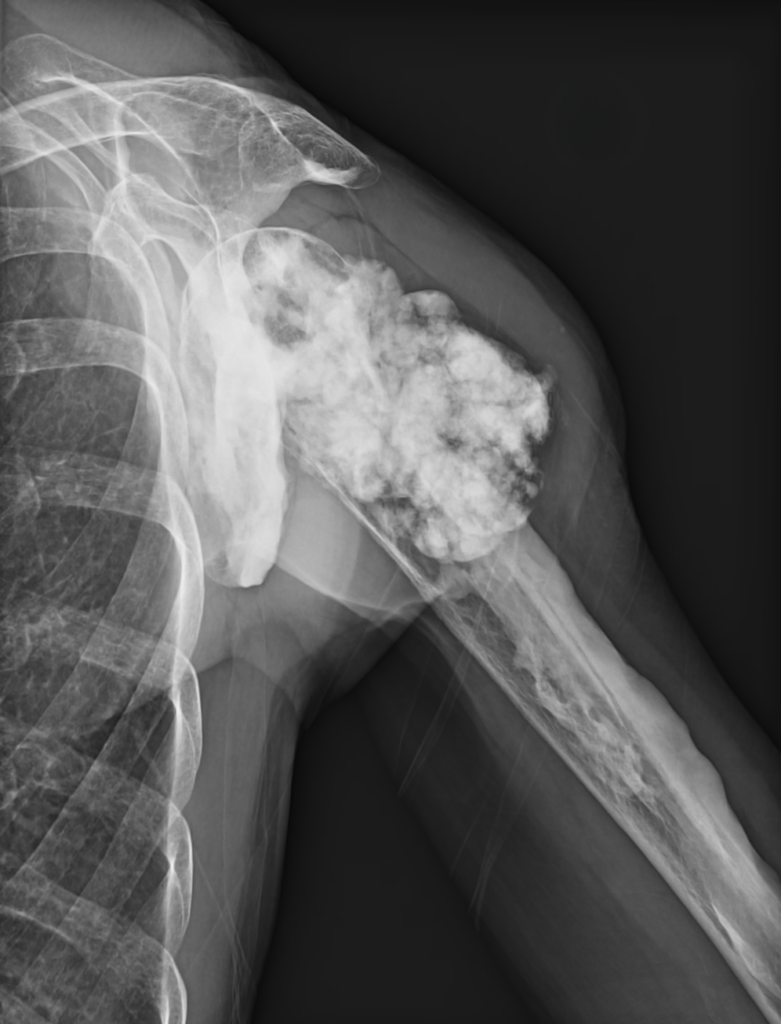
Key Takeaways for Providers
- Melorheostosis is a rare, heterogeneous condition requiring high clinical suspicion for diagnosis
- Management is supportive and typically multidisciplinary, necessitating a strong emphasis on pain control and function preservation
- Surgical intervention is approached cautiously, due to the possible risk of recurrence and complications
- Patient education and community connection represent important aspects of comprehensive care
By combining clinical vigilance with a patient-centered, multidisciplinary strategy, clinicians can improve outcomes and quality of life for people living with melorheostosis and their families.