
Understanding Melorheostosis in Children
A guide for parents and caregivers. Please note, we are not medical professionals and this is a compilation of information can be used and taken to medical professionals to determine the best plan for care of the patient.
What is Melorheostosis?
Melorheostosis is a very rare bone condition that affects how a child’s bones grow and develop. It causes extra bone tissue to form along existing bones, often described by doctors as looking like “dripping candle wax” on X-rays.
This condition most often begins in childhood or adolescence and typically affects the arms or legs.
While melorheostosis is a lifelong condition, it is important to know:
- It is not contagious
- It is not caused by anything you did
- Many children still live active, meaningful lives with the right care and support
What Causes It?
Melorheostosis is believed to be linked to genetic changes that occur randomly during development.
In all cases:
- It is not inherited
- It happens spontaneously
- There is currently no known way to prevent it
Signs & Symptoms in Children
Every child’s experience is different, but common symptoms may include:
- Ongoing bone or joint pain
- Stiffness or limited movement
- Swelling in a limb
- Differences in limb length or shape
- Muscle tightness or contractures
- Difficulty with mobility or physical activity
Some children may also have skin changes over affected areas.
How Is It Treated?
There is currently no cure for melorheostosis, but there are many ways to help your child feel better and stay active.
Treatment focuses on managing symptoms and may include:
- Physical therapy to improve movement
- Occupational therapy for daily activities
- Pain management (medications or other therapies)
- Orthopedic care or, in some cases, surgery
- Supportive therapies like massage (if not painful) or hydrotherapy
Care is often personalized, meaning your child’s care team will tailor treatments to their specific needs.
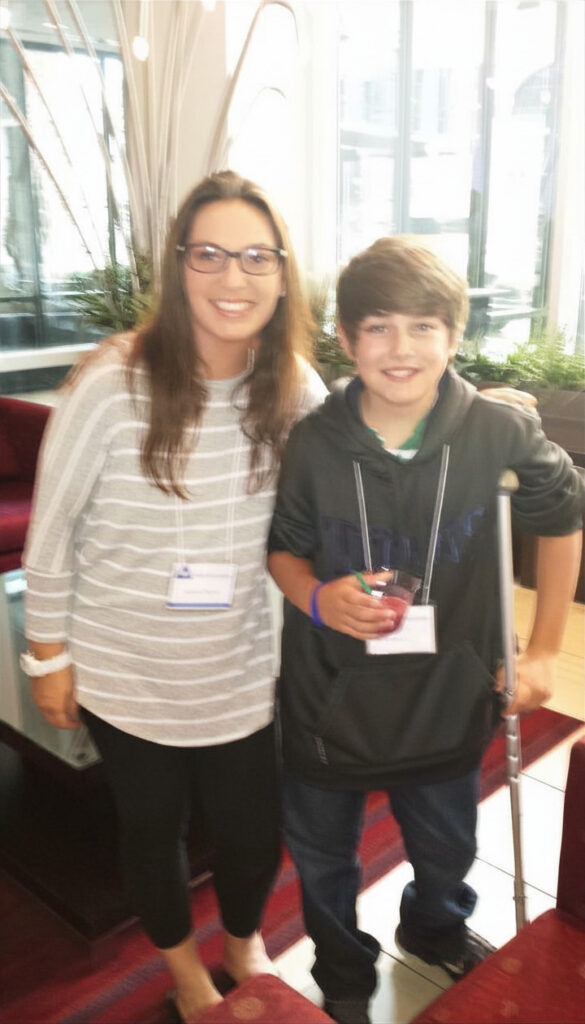
Living With Melorheostosis
As a parent, it’s natural to feel overwhelmed—but you are not alone.
Children with melorheostosis may need:
- Ongoing medical care
- Help manage pain and fatigue
- Emotional support and encouragement
- Flexibility at school and in activities
Many families find that building a strong care team and support network makes a big difference.
Find More Information
Learning more can help you feel more confident in your child’s care. Trusted resources include:
- Melorheostosis Association – Dedicated to research, awareness, and patient support
- Mayo Clinic in Rochester, Minnesota – they have doctors who have seen pediatric Melo patients and can help develop a care plan
- National Institute of Health (NIH) – while the NIH study does not currently include children under 18, they have a wealth of knowledge about the disease
Connect With Other Families
Connecting with others who understand your journey can be incredibly comforting.
- Join the Melorheostosis Patients and Friends Facebook Group to:
- Ask questions
- Share experiences
- Find support from other families
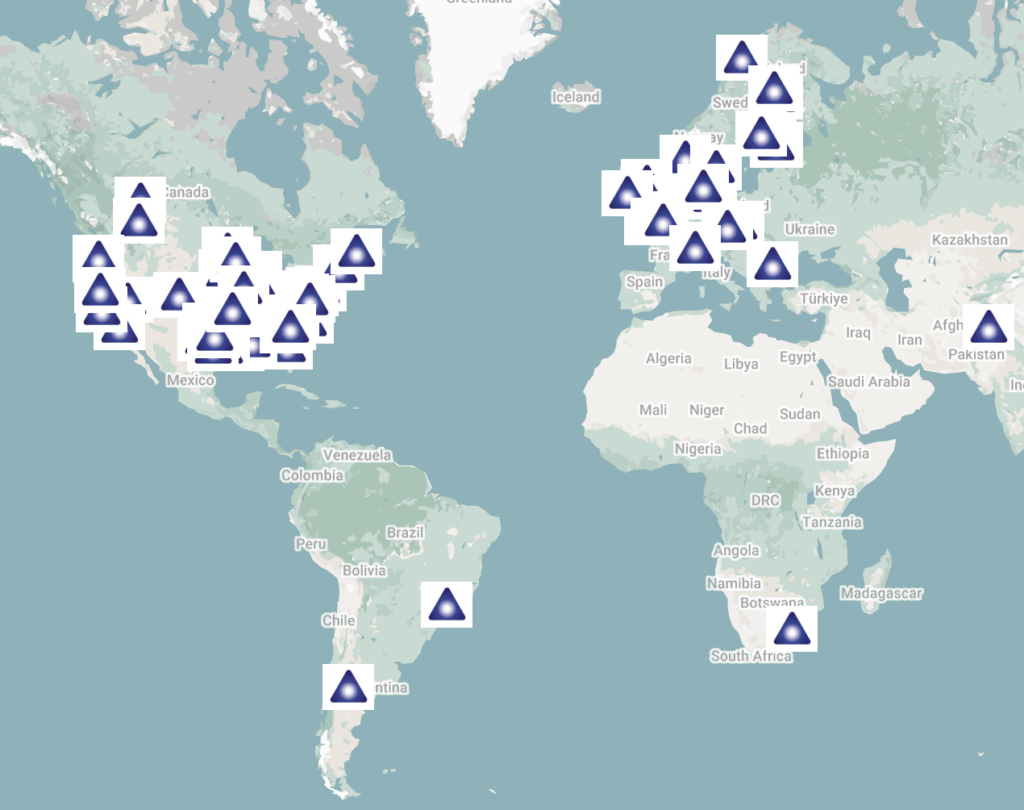
- Go to a Melorheostosis Association Conference
- Get updates on the latest research
- Participate in patient case studies with medical professionals
- Meet other patients and parents of patients
These communities can help you feel seen, heard, and supported.
Share Your Story
Your family’s experience matters.
Organizations like the Melorheostosis Association encourage families to:
- Share their journey
- Help raise awareness
- Support research efforts
By sharing your story, you may help another family feel less alone—and contribute to future breakthroughs.
Use our Contact form, submit a Patient History, or reach out to amanda@melorheostosis.org to be featured in the next newsletter.
Stay Connected: Join the Newsletter
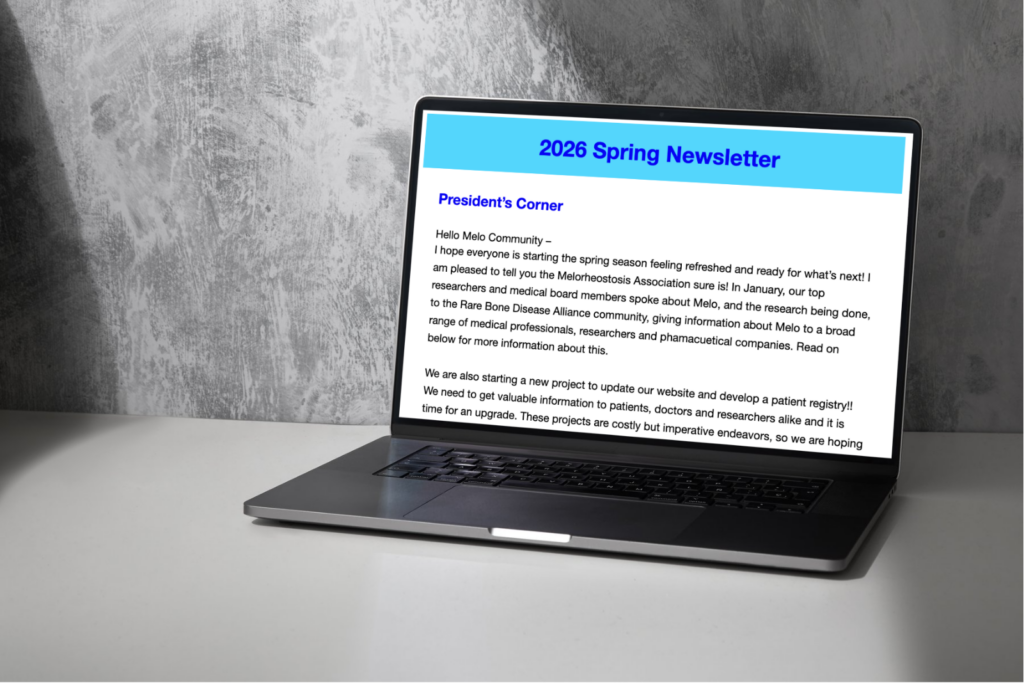
Staying informed is one of the best ways to advocate for your child. You can sign up for newsletter updates and e-alerts through the Melorheostosis Association
Content often includes:
- Research updates
- Community stories
- Opportunities to get involved
A Final Word for Parents
Caring for a child with a rare condition like Melorheostosis can feel isolating—but there is a growing community of families, doctors, and researchers working together every day.
You are your child’s best advocate—and you don’t have to do this alone!