
Newly Diagnosed?
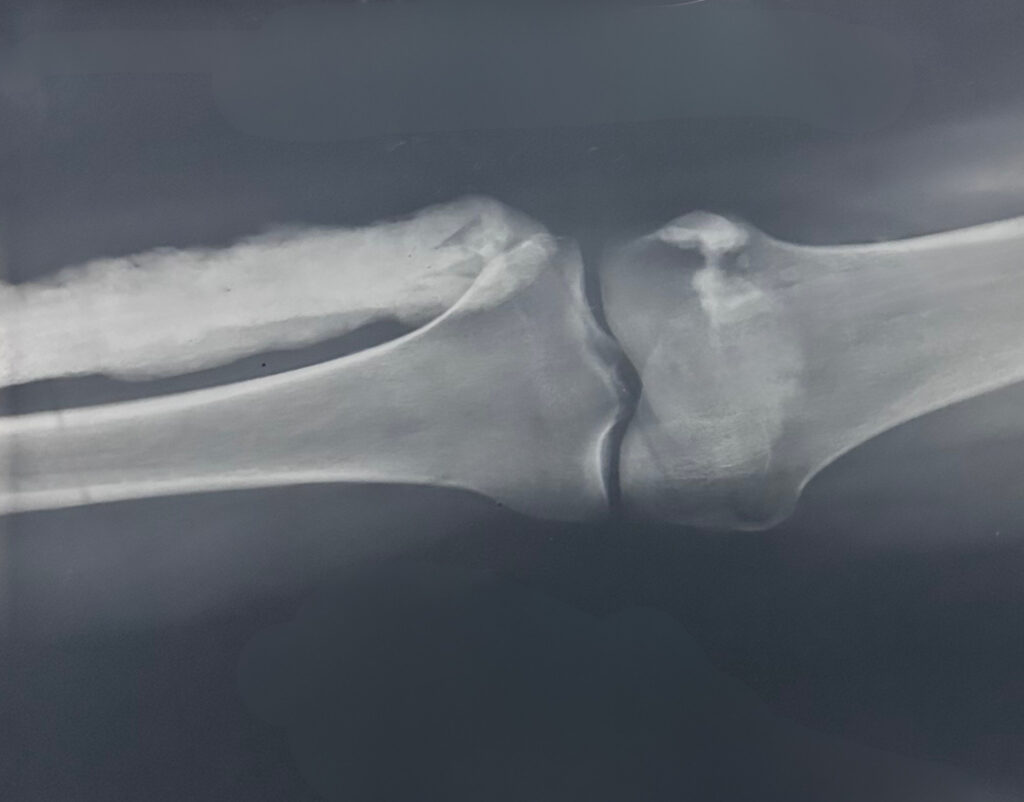
Receiving a diagnosis of melorheostosis can feel overwhelming, especially if you left your doctor’s office with more questions than answers. Often referred to as “dripping candle wax” disease due to its appearance on x-rays, this rare bone condition is complex, but finding a diagnosis is the first step toward taking control of your health.
While there is currently no universal “cure,” there are many ways to manage symptoms, protect your mobility, and connect with experts who understand this condition. Here is your roadmap for the first steps to take.
Your Next Steps
- Build Your Medical “A-Team”: Because melorheostosis affects both bone and soft tissue, you may need a multidisciplinary team. Look for orthopedic surgeons, radiologists, and pain management specialists who have experience with rare bone diseases.
- Request Your Records: Collect physical or digital copies of your X-rays, CT scans, and MRIs. Having these on hand is vital when seeking second opinions, participating in research, or visiting specialists.
- Prioritize Symptom Management: Work with a physical or occupational therapist. They can help maintain the range of motion in affected joints and suggest adaptive tools to make daily tasks easier.
- Explore Targeted Research: Navigate our site to find the latest updates on clinical studies and the genetic markers (such as the MAP2K1, SMAD3, KRAS, or LEMD3 mutations) that researchers are currently investigating.
- Find Your Community: You are not alone. Join our online patient forum to connect with others who truly understand the physical and emotional aspects of living with melo.
Resources for You
We provide specific guides to help you navigate the nuances of this condition based on your unique situation:
A Note of Hope
While “here’s your diagnosis, good luck” isn’t a treatment plan, knowledge is. By finding the Melorheostosis Association, you are tapping into a global network of patients and researchers dedicated to improving the lives of everyone affected by melorheostosis.
Take a breath. You’ve found the right place.