
Manage Your Care
Living Well with Melorheostosis: Everyday Care & Support
Managing melorheostosis day to day can feel overwhelming at times—but many patients and families find that with the right routines, care team, and support system, it’s possible to build a life that feels active, meaningful, and manageable. This guide focuses on practical, everyday strategies to help you or your child navigate daily care with confidence.
Building Your Care Team
Melorheostosis care often works best with a multidisciplinary approach. Depending on your needs, your team may include:
- Orthopedic specialists
- Physical and occupational therapists
- Pain management providers
- Primary care physicians
- Mental health professionals
Work with specialists familiar with rare bone diseases (or even melo) when possible. Because treatment is typically focused on symptom management and improving function, having providers who communicate with each other is key to long-term success. Coordinated care leads to better outcomes.
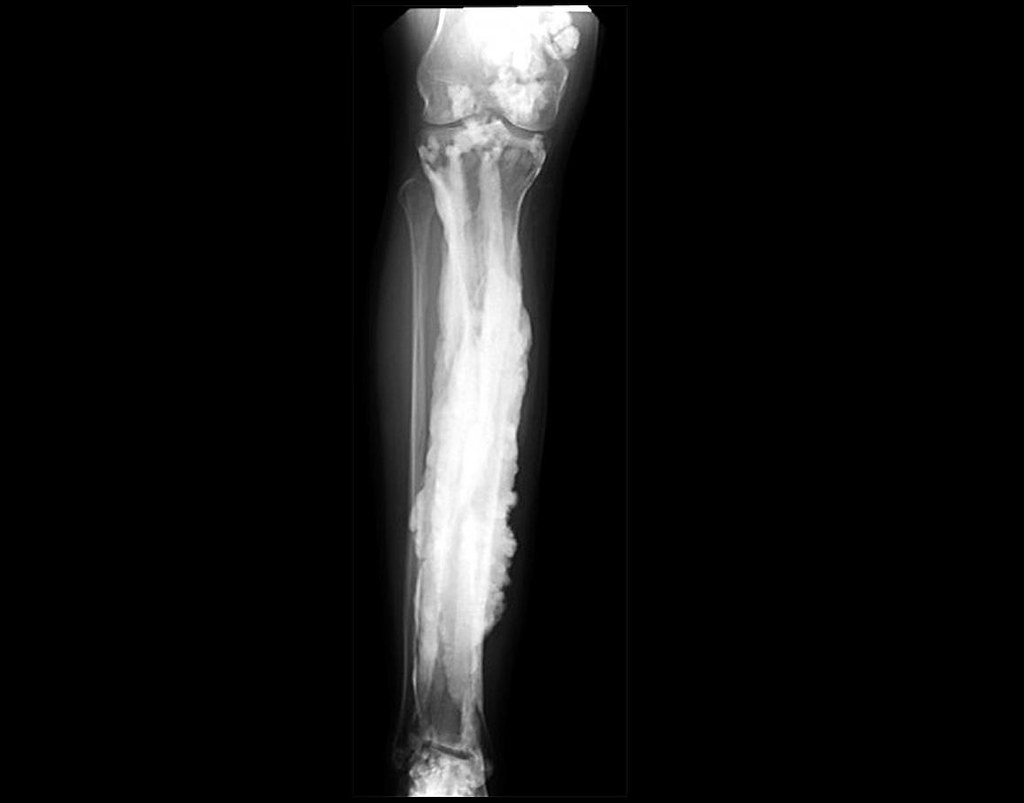
Advocate for Yourself
This is key! Because melorheostosis is rare, you may need to educate providers or seek second opinions. Luckily, there is a great community of melo patients, the association and medical experts who can help.
Tip: Keep a simple care notebook (digital or paper) with appointments, medications, and notes—this helps you stay organized and advocate for your needs.
Print or share this brochure to educate your doctors and care team about melorheostosis and where to find more information.
Managing Pain Day to Day
Pain is one of the most common challenges, and managing it often requires a layered approach:
Tip: Pain levels can fluctuate—track patterns to identify triggers like overuse, inactivity, or weather changes.
Staying Active Safely
Movement is one of the most powerful tools for maintaining function and quality of life.
Physical Therapy
- Helps improve strength, flexibility, and joint mobility
- Can reduce stiffness and maintain range of motion over time
- Regular stretching, strengthening, and mobility exercises can help maintain function and reduce pain.
Occupational Therapy
- Focuses on making daily activities (like dressing, bathing, or school/work tasks) easier and more comfortable
- Depending on the severity of your case, this may be needed more for some than others
Daily Movement Habits
- Stretch regularly (even short sessions count)
- Incorporate low-impact activities like walking or swimming
- Avoid long periods of inactivity, which can increase stiffness
Tip: Consistency matters more than intensity—small daily efforts add up. Keep a journal of pain levels, mobility changes, and triggers—this helps your care team adjust treatment plans.
Supporting Mobility & Comfort
Many patients benefit from tools or supports that make everyday life easier:
- Braces or orthotics to support alignment and comfort
- Adaptive tools for daily tasks (jar openers, ergonomic grips, etc.)
- Supportive footwear to reduce pressure and improve stability
If something feels difficult or painful, it’s worth asking: “Is there a tool that could make this easier?”
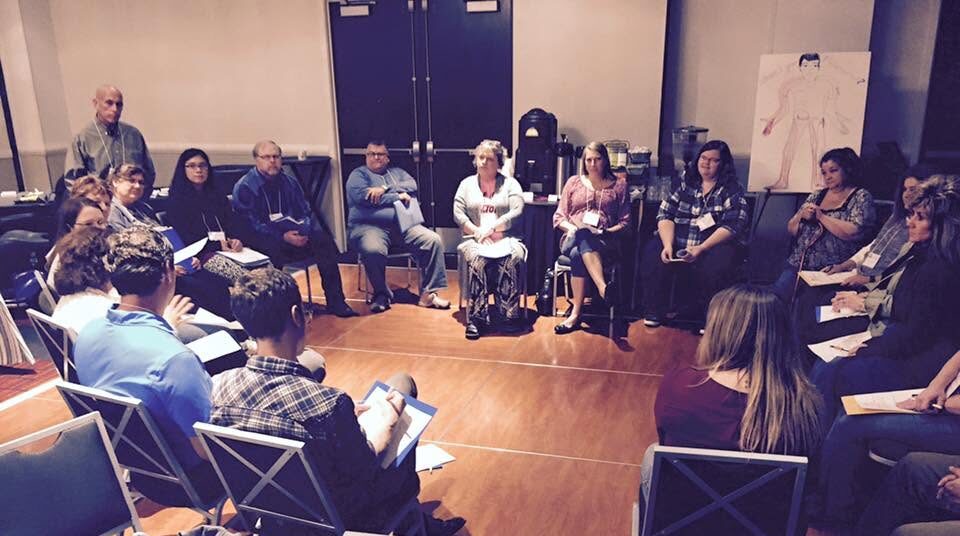
Caring for Your Whole Body Health
When managing a rare condition like melorheostosis, it’s easy for all attention to go toward the most immediate symptoms. But one of the most important—and sometimes overlooked—parts of daily care is supporting your overall health.
Your body works as a system, and general health plays a meaningful role in how you feel day to day.
Nutrition Matters
A balanced, nutrient-rich diet helps support:
- Bone and muscle health
- Energy levels
- Inflammation management
Focus on:
- Whole foods (fruits, vegetables, lean proteins, whole grains)
- Adequate calcium and vitamin D (as recommended by your provider)
- Staying well hydrated
Tip: You don’t need a perfect diet—small, consistent choices can make a difference over time.
Prioritizing Sleep & Recovery
Sleep is when your body restores and repairs but it can be disrupted by chronic pain.
- Aim for consistent sleep routines
- Create a comfortable sleep environment
- Address pain that may interfere with rest. Find ways to get back to sleep faster (i.e., white noise, melatonin supplements, relaxation/meditation techniques, etc.)
Poor sleep can increase pain sensitivity and fatigue, so improving sleep quality can have a ripple effect on daily well-being.
Managing Other Health Conditions
If you or your child has additional health concerns—such as joint issues, circulation challenges, or other chronic conditions—it’s important not to put those on the back burner.
- Keep up with regular check-ups and screenings
- Follow treatment plans for other conditions
- Make sure all providers are aware of the full health picture
Tip: Sometimes improving another condition (like inflammation or mobility limitations) can also improve melorheostosis symptoms.
Strength, Flexibility & Overall Fitness
Beyond targeted therapy, general fitness supports the entire body:
- Light strength training (as appropriate) can support joint stability
- Stretching improves flexibility and reduces stiffness
- Cardiovascular activity supports circulation and endurance
Always tailor activity to your abilities and comfort level—but remember, movement benefits the whole body, not just one area.
Mental Health Is Whole-Body Health
Living with a rare condition can sometimes feel isolating—for both patients and parents. Emotional well-being is deeply connected to physical health.
- Chronic conditions can increase stress, anxiety, or fatigue
- Mental health support can improve coping, resilience, and even pain perception
What Helps:
- Talking openly with your care team about emotional challenges
- Seeking counseling or mental health support when needed
- Connecting with others who understand your experience
Research shows that while many patients live full lives, quality of life can be impacted by chronic pain—making emotional support just as important as physical care.
Tip: It’s okay to ask for help—support is part of good care, not a last resort.
Consider:
- Counseling or therapy
- Mindfulness, breathing exercises, or relaxation techniques
- Making time for activities that bring joy
Looking at the Bigger Picture
It can help to ask:
- “How am I feeling overall—not just in one area?”
- “Am I taking care of my whole body, not just my symptoms?”
Taking a whole-body approach doesn’t replace your melorheostosis care—it strengthens it.
A Gentle Reminder
You are more than a diagnosis—and your care should reflect that.
Supporting your overall health can:
- Improve daily comfort
- Boost energy and resilience
- Help you or your child better manage symptoms over time
Think of it as building a strong foundation—one that helps everything else work just a little bit better.
Daily Life Tips for Families & Caregivers
For parents and caregivers, balancing support and independence is key:
- Encourage participation in normal activities whenever possible
- Work with schools to provide accommodations if needed
- Build routines that include movement, rest, and flexibility
Celebrate small wins—progress may be gradual, but it matters.
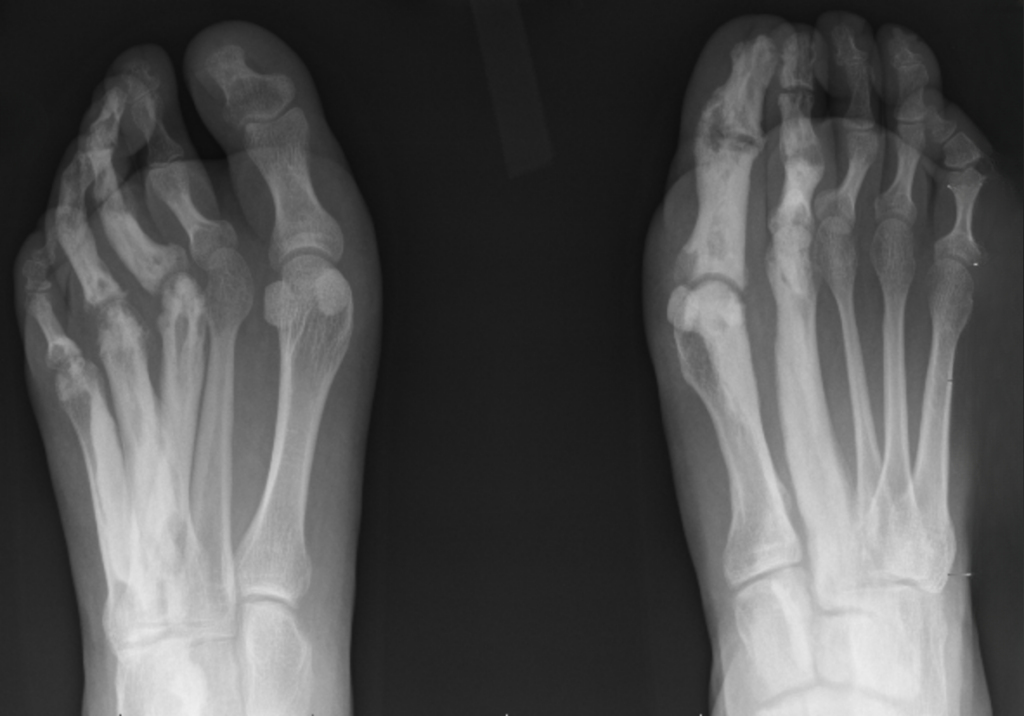

Finding Community & Support
Because melorheostosis is rare, connecting with others can be incredibly powerful.
Ways to Get Involved:
- Participate our patient advocacy organizations and the Melorheostosis Association newsletter
- Join our online community: Melo Patients & Friends Facebook Group
- Share your story to help raise awareness and support others via Patient Histories
- Attend Melorheostosis Association Conferences to meet other patients, doctors, and researchers
These connections can provide:
- Practical advice from people living it every day
- Emotional encouragement
- Updates on research and treatment approaches
Staying Informed
Knowledge is empowering. Consider:
- Signing up for newsletters from rare disease organizations
- Following trusted medical institutions (i.e., Melorheostosis Association) for updates
- Asking your care team about new therapies and, when necessary, educating them! If your team is not willing to be educated, find a new team member!
Even though treatment is largely focused on symptom management, ongoing research continues to improve understanding and care strategies.
A Final Word
Managing melorheostosis is not about doing everything perfectly—it’s about finding what works for you or your child, one step at a time.
With the right combination of:
- Movement
- Pain management
- Support tools
- Community
…you can build a daily routine that supports both health and quality of life.
You’re not alone in this—and there is a growing community walking this path with you.